Welcome, friends.
Synopsis
S12 is a multidisciplinary 4-day training event hosted by Mickey Schuch of Carry Trainer. It’s billed as a wholistic experience incorporating instruction in defensive pistolcraft, tactical combat casualty care (TCCC), and combatives, as well as guided breathwork and mindfulness exercises.
The event was held at the Five Star Retreat in Tennessee and ran from the evening of November 13th—a Wednesday—until the night of Sunday the 17th. Attendees were to arrive for check-in between 4:30–7:30 PM on the 13th, and most chose to leave Monday morning on the 18th.
The all-inclusive price for attendance was $2495, which accounted for 40+ hours of instruction, lodging, and three square meals a day for all four days of the event, plus other intangible benefits like networking and the amazing sense of camaraderie (more on that later).
Mickey was generous enough to let me attend S12 as his guest in exchange for an honest, unbiased review, so my only expenses were for travel and ammunition. I am truly indebted to him both as a mentor and a friend and will be forever grateful for this tremendous show of support for my dream of writing in the firearms and training world. I’ve endeavored to write this post as impartially as possible.
Because S12 crammed so much into such a short period of time, I’m not able to give a full account of every last thing that happened at the event. I also want to leave some room for imagination for those who are thinking about attending. As such, I’ve tried to highlight some of the things I really liked while giving an overview of the rest.
If you’re reading as a prospective attendee, feel free to skip to the Takeaways at the end and ignore the section about what I personally took away from the experience.
Special thanks to Alberto Triana for his immaculate camerawork and editing and James Clay for his stunning photography. You both made this wall of text infinitely more visually appealing.
The bulk of the instruction was provided by Mickey, Zevon “Instructor Zee” Durham, and Paul Sharp, with human performance specialist Rob Wilson leading morning PT and coaching on the topic of mind-body synergy. The medical content was presented by Doctor Mickey Fuentes. Daniel Hudnet and David Sproles, as well as ConcealedCarry.com’s Jacob Paulsen, provided assistant instructor oversight on my end of the firing line.
Although we lost one or two over the course of the event due to both real family emergencies and bullshit excuses, roughly 40 people attended as students, and some 20 support staff were on site to work in the kitchen, act as RSOs, and keep the proceedings running smoothly.
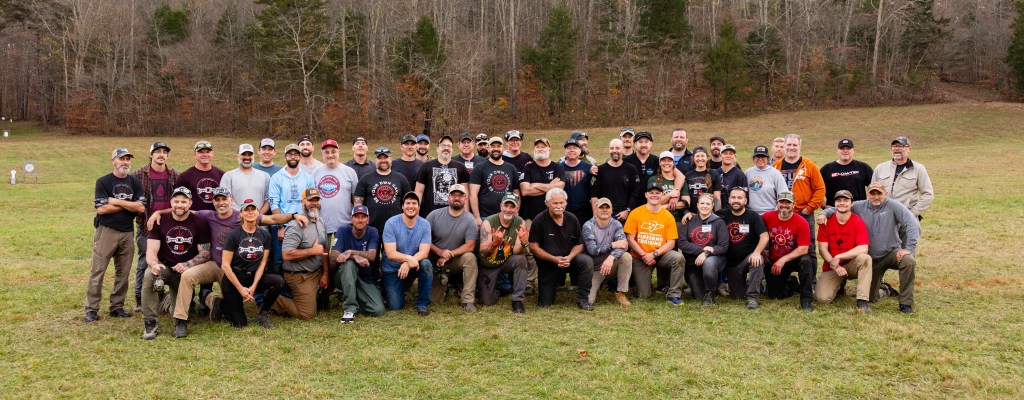
Something I found inspiring, and continue to be fascinated by, is just how diverse the backgrounds of those attending were. I met Micaiah, the electrician from Louisiana. Kasia, the nurse from Illinois. Mario, the real estate salesman from Florida. Jack, the 78-year-old armed guard at a strip club in Texas. Asa, the cop from California. Erica, the diving instructor from Montana.
All of these people and more—almost everyone I met over the course of the four days (and I had a chance to speak with just about everybody)—became great friends to me. You got the sense that your peers were all special and exceptional people somehow set apart from the average open-enrollment gun school trainee. And indeed, I think the wholistic nature of S12 does attract a particular breed. I’ll return to that thought at the conclusion.
Rather than breaking down this AAR by day, I’ve tried to organize it into sections by area of instruction, although that is an oversimplification of the experience compared to a true chronological account of the proceedings. In reality, we touched on almost every area of instruction throughout each of the four days, with the exception of combatives, which took place solely on the final day.
Location
It was about a 10-hour drive from southwestern Pennsylvania to Nunnelly, Tennessee, which is about an hour southwest of Nashville.
While I saw only a small fraction of the 430-acre property, what I did see was breathtaking. Although the leaves had already fallen, the Tennessee woods were gorgeous. The grounds were clearly well-maintained and featured a picturesque lake with a water feature, a dock, and a boathouse storing canoes for the warmer months. I thought I saw an in-ground pool, as well, but can’t find anything about that on the website.
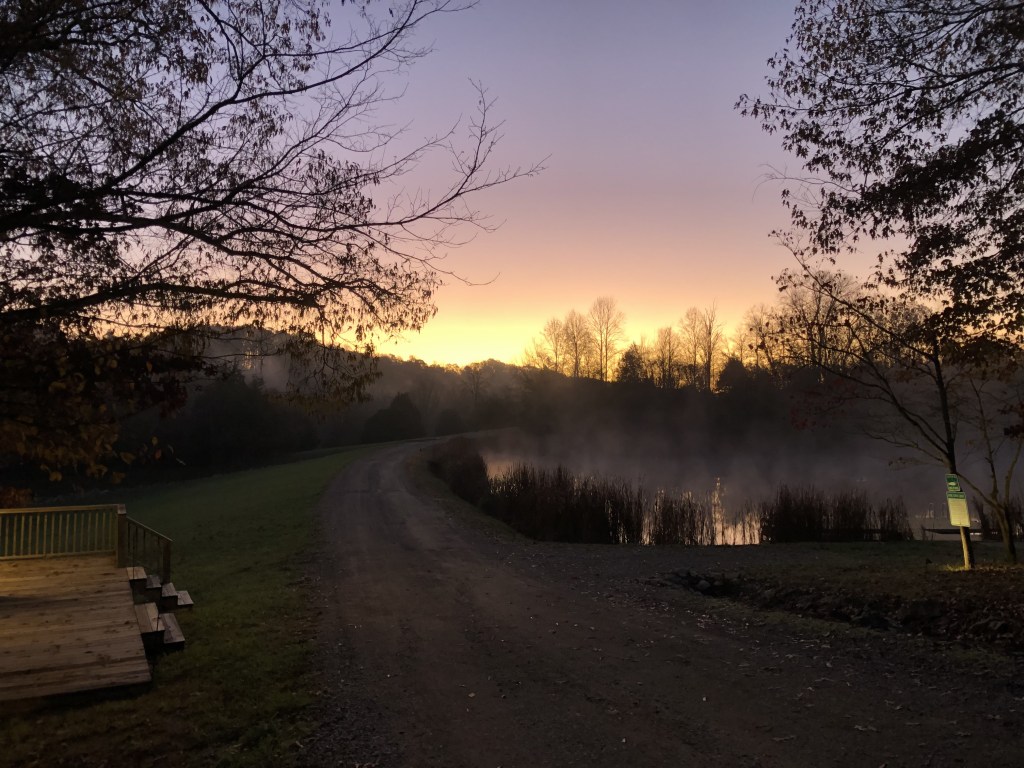


Photo credits from top to bottom, left to right: Author, James Clay, Five Star Retreat
The weather was excellent despite it being so late in the year: the mornings were chilly but comfortable with appropriate clothing, and the days were a mixture of sunny and overcast. Mercifully, we were only rained on when we went to visit the range Wednesday night.
Lodging
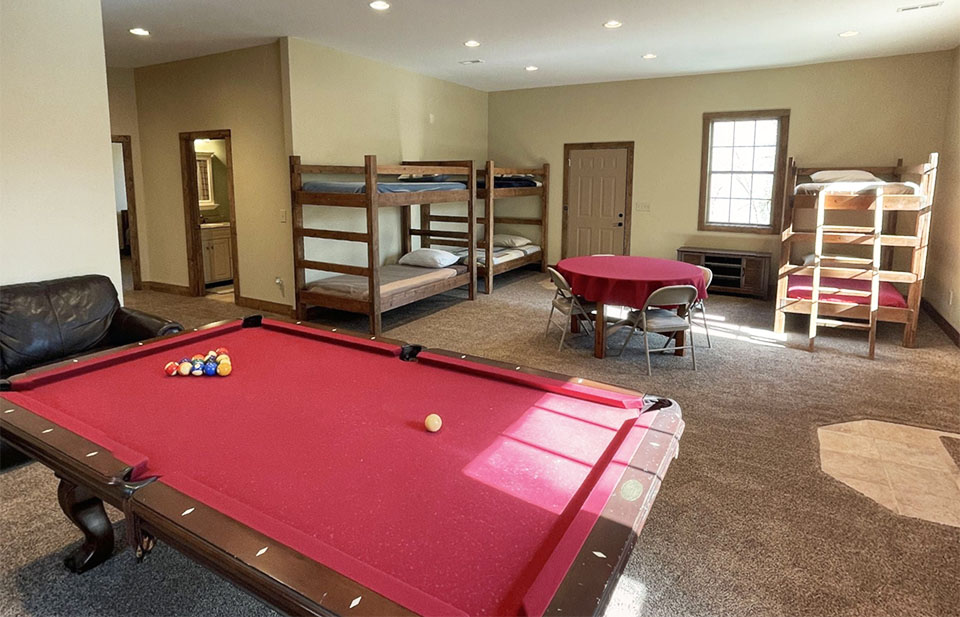
The event description specified that bunk assignments were at the host’s discretion. I was placed a few minutes’ walk down the road from the main lodge in Cabin Five, which was a cozy little building with two private bedrooms and a main bunk room. I had a top bunk and slept surprisingly well.
Dining
Breakfast, lunch, and dinner were provided buffet-style in the main lodge. Breakfast fare included coffee, a healthy variety of fresh fruit and berries, and staples like eggs, sausage, and hash. Lunch and dinner consisted of things like soup, salad, artisan bread, chicken, various beef dishes and cuts, deli meats and cheeses, grapes, and pickled vegetables. Terry Zimmer and Bennett even treated us to two delicious, handmade desserts on the night of the awards dinner. Much of the protein was provided by event sponsor Colorado Craft Beef.

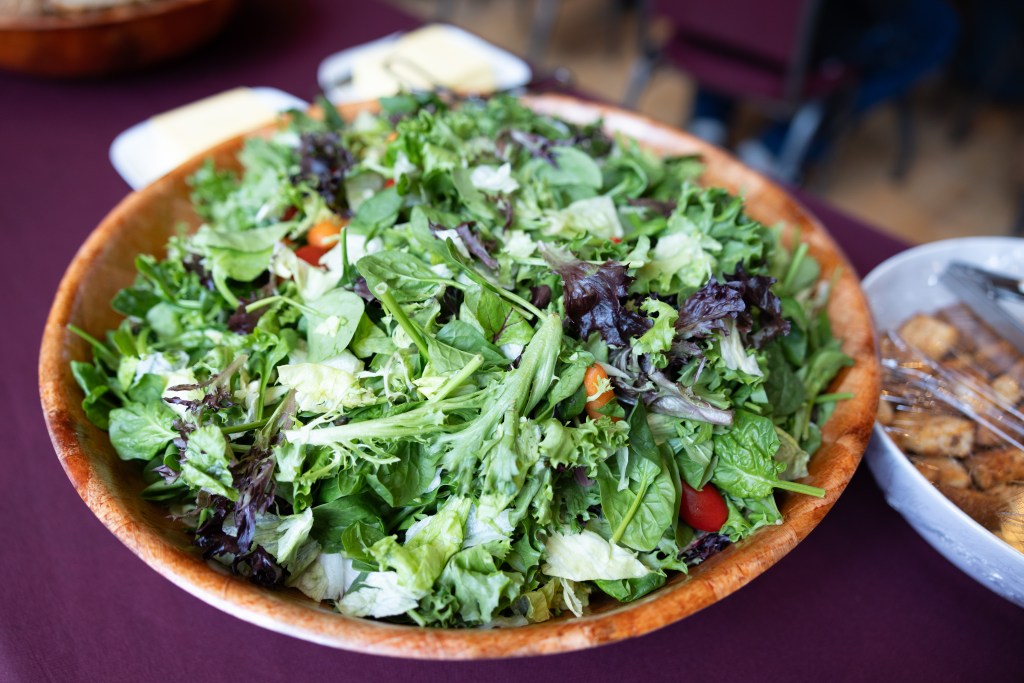
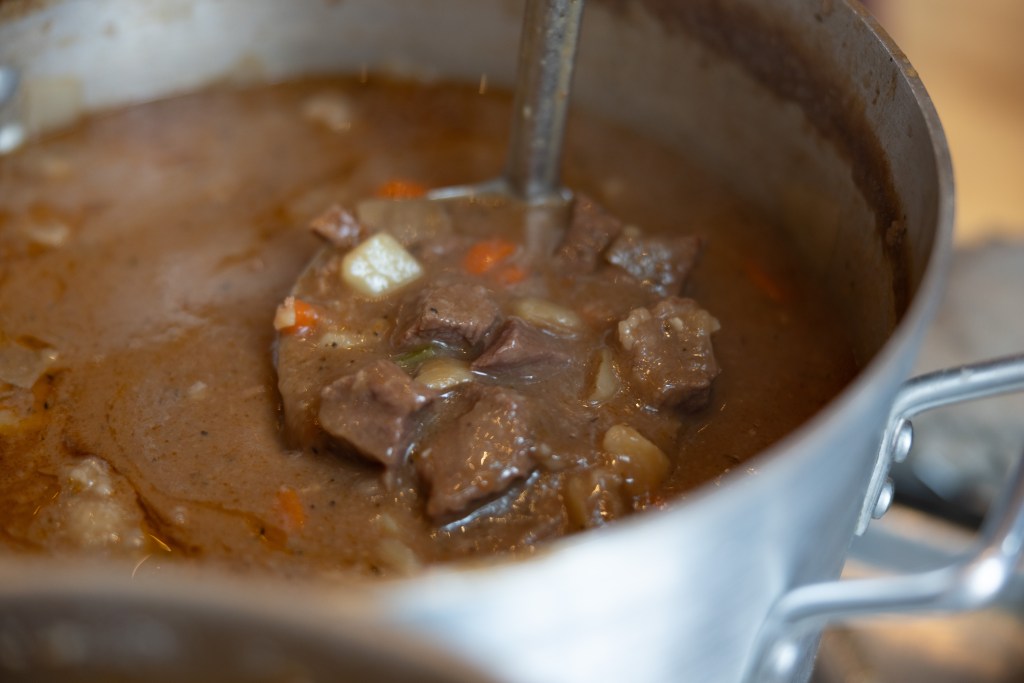


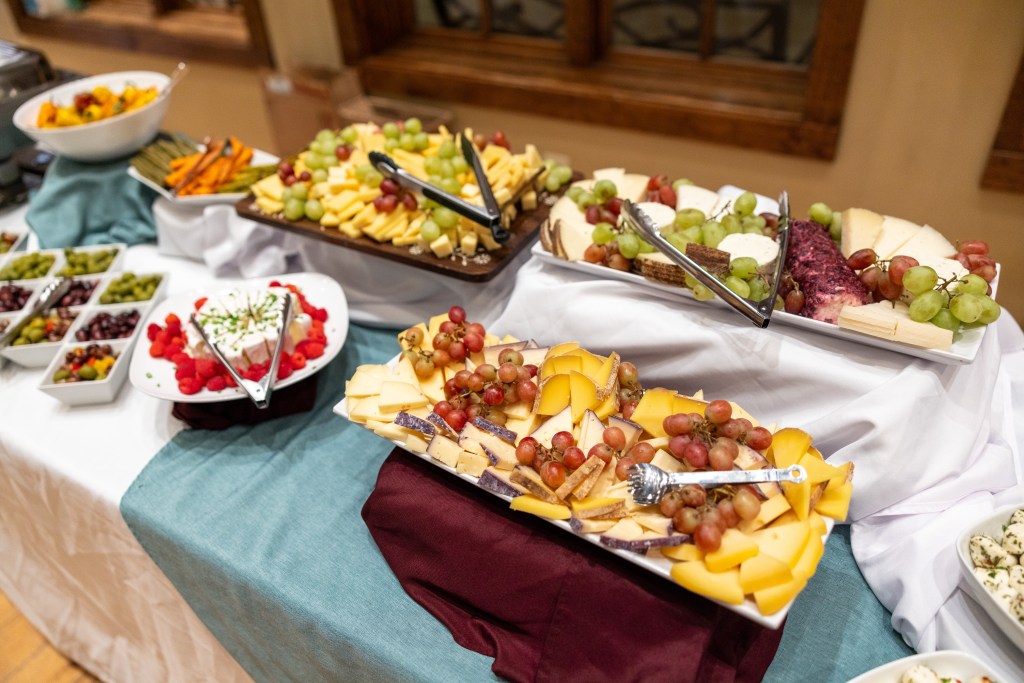

The kitchen staff labored with love and did an excellent job of satisfying my need for a constant stream of several thousand calories a day. Their professionalism and diligence behind the scenes definitely made S12 special.
Physical Training
Each of the four days officially commenced at 6:15 AM, which sounded early on paper but seemed to work like magic in practice. As someone who is both the antithesis of an early riser and for whom deviation from their morning routine is a source of agitation, I expected to be exhausted and starving by breakfast time. Instead, I found myself oddly alert and refreshed. It’s almost as though people like Rob and Paul, who have health and longevity down to a science, know something about how to structure daily life.
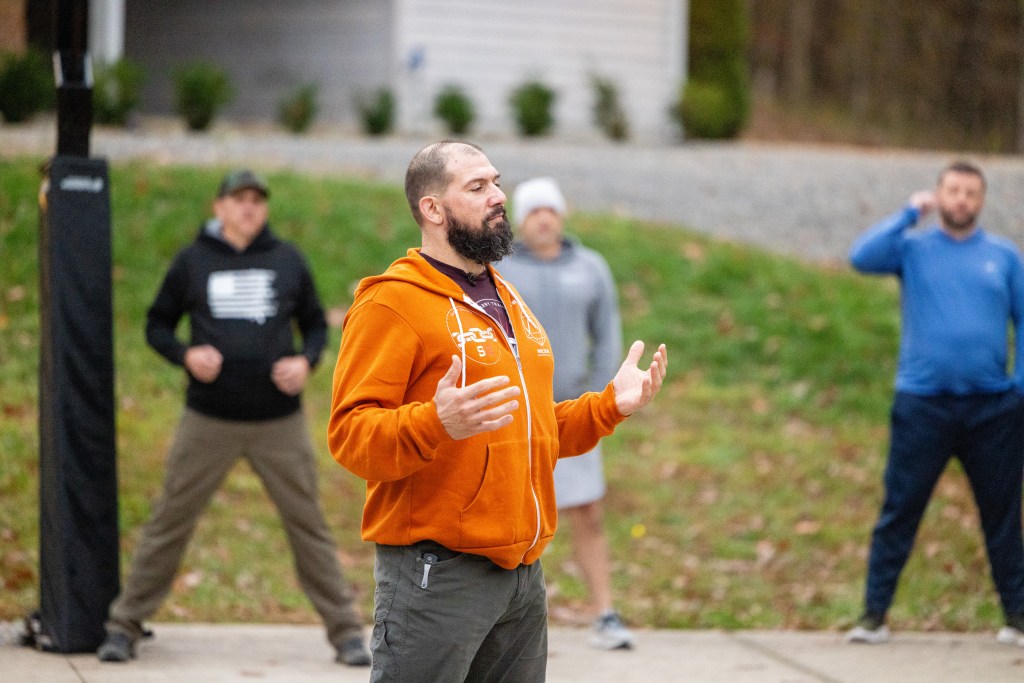
We assembled every morning around the perimeter of the basketball court, where Rob Wilson led us in a series of stretches and breathing exercises.
Don’t be misled by the 24-hour clock times on the itinerary or the videos of attendees doing jumping jacks: S12 is the farthest thing from a faux ‘boot camp’ experience. PT got all of us awake and limber for the day with movements like air squats, bear crawls, skipping, and backwards jogging. As an added twist, Rob had everyone hold their breath and pinch their nose during some relays and imposed limited recovery breaths.

Rob’s cue for diaphragmatic breathing, “fill the bucket,” became the mantra for the entire event. This technique entails inhaling through one’s nose in a way that stretches the core and abdominal walls before filling the lungs, then exhaling through the mouth. You feel your stomach expand first, followed by your chest, in the same way that a bucket fills with water from the bottom up. Diaphragmatic breathing is well-documented as being proven to lower heart rate and blood pressure. This is probably in part because it engages the parasympathetic nervous system to trigger the body’s ‘rest and digest’ response.
He introduced this to us as a tool that would help everyone regulate themselves during the mild stress and sensory overload of the more complex drills and exercises on days 3 and 4.
Rob did an excellent job of contextualizing morning PT by framing physiological self-awareness and stress management through the lens of preparedness. He also gave us reps of movements that we would need later during the event like the technical getup, which we practiced with ‘finger guns’ and would later go on to do with real, loaded firearms on the range. Although this was not a sitting-rising (or sit-to-rise) test, Rob did point out that the ability to get up off the ground without using one’s hands is a significant indicator of mortality.
“Try the sit-to-stand test to see how healthy your heart is” by Tracey Ann Duncan, TODAY
This was a great reminder that preparing to survive The Fight is great, but that the ultimate goals of self-defense are living long and living well. On that note, PT was not meant to exhaust us or push people to the brink of their strength or endurance, nor was it meant to put anyone on blast for their level of fitness or lack thereof. Rather, it was incorporated into the event curriculum to provide another opportunity for attendees to gain a better overall understanding of themselves. Knowing where you stand is everything. And questions of capability shouldn’t be reserved for hard skills like shooting. Since it’s primarily our own bodies and their function that we concern ourselves with defending, doesn’t it make sense to be familiar with what we can expect from them?
I would also invoke the widely attributed saying, ‘how you do anything is how you do everything.’ Does slacking off during morning PT at an event like S12 really matter? In a sense, no. You won’t be killed in the streets just because you pretended to hold your breath or because you do jumping jacks like an Afghan National Army recruit. But, at the same time, do you really want to be the kind of person who drives or flies all the way to Tennessee and pays $2500 just to do the bare minimum?
We can try to compartmentalize and make sure we put in full effort ‘when it counts,’ but making the easier choice is a slippery slope. If half-assing the easy things becomes a habit, it could be hard to scrape up the necessary motivation to do the hard things, and so many things in life are not only hard, but necessary. I’m still working up to quite a few of those things myself.
If you read this and find yourself questioning, as I sensed a few of my peers were during our mornings on the basketball court, what this has to do with shooting…You’ve missed the point, in my opinion.
Pistol
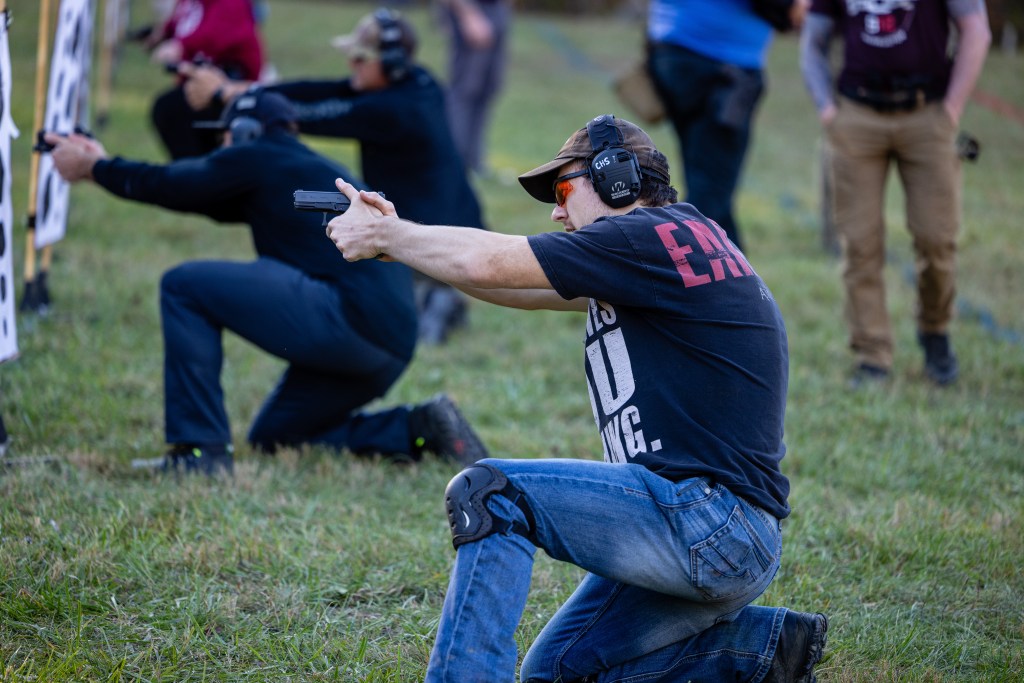
As the main instructor, Mickey Schuch ran the range for the majority of the event, handing off the baton to Zee and Paul at intervals.
If you’ve never taken a class from Mickey, the atmosphere is hard to describe. He has a knack for sharing anecdotes both from his own life and from others’ that are always applicable to the lesson at hand and always thought-provoking. He makes passing references to historical figures, philosophers, the Bible, and everything in between; these are often delivered in the same breath as the adolescent humor he’s known for, so he’ll do things like quote Marcus Aurelius and then follow up with a dick joke. All of this he does somehow without detracting from the gravity of the subject matter and without making you ever doubt his commitment to safety and to providing quality instruction.

He’s an engaging speaker and an effortlessly entertaining personality. While his roasts and friendly ribbing might take some time for extremely straight-laced students to adjust to, Mickey keeps things lighthearted and down-to-earth. He expects professionalism without belittling or talking down. He meets students where they’re at, and isn’t interested in playing up the student-teacher power dynamic to throw his weight around.
Those who believe that professionalism and profanity are mutually exclusive may not find Mickey’s instructional style agreeable. While I don’t share that belief, everyone is entitled to their own opinion.
Our cohort ran the gamut of experience from novice and beginner to intermediate shooters, so we started with a 10-round group as a baseline assessment so the instructors could get the lay of the land, so to speak. By the time live fire training concluded at the end of day 3, we had graduated to dragging a partner playing the role of ‘casualty’ to cover, applying tourniquets to them and to ourselves, and shooting steel targets with dominant and support hand only. I’ll talk more about that specific exercise more in a bit, but hopefully that gives you an idea of the breadth of what was covered.
Among the most practical skills taught during the pistol coursework, in my opinion, were drawing safely when supine and standing up with a pistol in hand. Mickey demonstrated a supine drawstroke for both AIWB and strong side holster users, which you can see in the video below.
Since a person can never know where (positionally) the fight for their life will start or how it will progress, it’s probably good practice to know how to work from any position between supine and standing, including seated, squatting, variations of kneeling, prone, and urban prone. While I wouldn’t say we received comprehensive instruction on when and how to use all of these positions, Mickey certainly introduced us to the idea that being able to move between them with fluidity depending on situational demands could be beneficial.
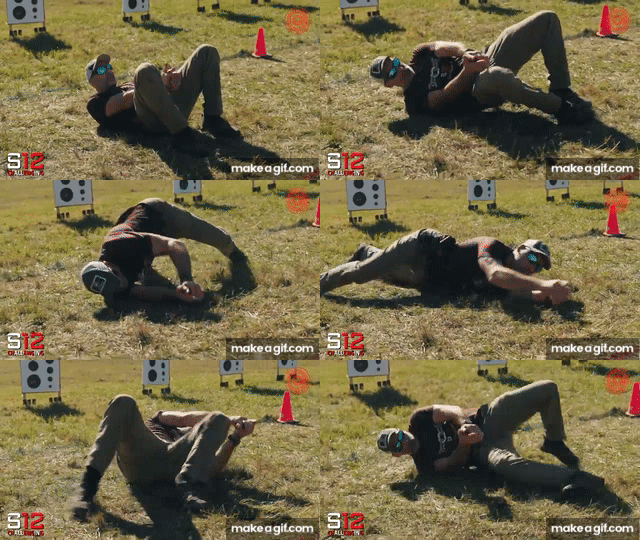
Why do I highlight this?
In a defensive context, it’s worth recognizing a few distinct possibilities: first, that you might not be standing when the need to draw or shoot arises. Hopefully this won’t be because you’ve tripped over a curb or slipped on ice, but even with good posture and balance, shit happens. There are situations where it could make the most sense to deliberately assume a grounded, non-traditional position to make the best use of cover, minimize your profile as a target, or use the added stability to take a more difficult shot at an extended range. I can’t speak to those use cases from an educated standpoint yet, though.
“How to Shoot From Unconventional Positions: Learn How” by Richard Nance, Handguns
I would hazard a guess that a self-defender is more likely to need these skills because of possibility number two: that they’ve been knocked down during an altercation, if not at the outset. Depending on the circumstances, being taken to the ground could be the development that escalates the situation from a simple assault to a deadly threat. It could be a blow to the head that puts you on your back, which may constitute a deadly threat in and of itself. In either case, you likely need to draw your pistol.
Due to the lack of mobility and positional disadvantage of being on the ground, plus the high likelihood of multiple attackers per the criminal assault paradigm, getting up should become the immediate priority. You may find the need to do so with a drawn pistol if, say, the attacker backs off once they see you’re armed and lets you up, or you’ve dealt with or otherwise driven off a first attacker when an accomplice arrives to join the fight.
There simply aren’t many live fire classes that cover this, and I’m glad it was included.
Finally, I benefitted a lot from the aforementioned care-under-fire relays we ran on day 3. They combined several skills, some minor physical exertion, a tiny bit of decision making, and a smidgen of stress to apply some mental pressure. The instructors would call out an injured limb to be treated once we dragged our peers back to one of the colored lines, behind the target backer ‘cover’ and out of sight of the steel targets. We were to use the tourniquet carried by our partner and stop rendering aid to engage a designated steel target if one of the AIs painted it with a laser to indicate a threat. Sometimes, an instructor would tap the shoulder of a student on the line to inform them that they had sustained an injury to an extremity and needed to provide self-aid; at which point, they would have to draw and shoot with their dominant or support hand only depending on which side was ‘wounded.’
There was enough to think about that I made a few mistakes. I started to reach for my own TQ before remembering that I might need it for myself. I didn’t even hear my linemate urging me to place the tourniquet higher on my partner Micaiah’s arm. I probably should have gone through the motions of checking him for other injuries before returning my attention to the targets.
Again, without context, it might be easy for someone to ask, ‘when would I be doing that as a civilian?’ We need to remember that while it might be a little more complicated than a Bill drill, what I’m doing in that short clip is still just a drill. It is not a scenario—which, by contrast, is meant to simulate. Besides, it doesn’t take a lot of imagination to think up a real-life hypothetical in which you might need to address a threat, move and treat someone with a GSW, and possibly drop everything mid-intervention if that threat reemerges or an additional threat presents itself. The smoke grenades and fireworks are just window dressing that add a little extra sensory information to process.
Medical

The TCCC and first-aid instruction on day 3 was given by Mickey Fuentes, a former Army Special Forces Medical Sargeant 18D. He is currently a house physician in Florida and holds NAEMT and CoTCCC certifications.
Mickey’s presentation was a healthy mix of lecture, demonstration, and hands-on practice; he was energetic and kept things light with jokes and humorous videos to reinforce his talking points, so clearly he must have picked up his PowerPoint tactics after his military service.
He led the discussion by stating that, because it cannot borrow energy in the same way that muscles can and is reliant on glucose from the bloodstream, the brain is the most important organ in the body. He pointed out that before even trying to find an unconscious person’s pulse, a care provider checks for responsiveness—essentially, checking the brain. Since oxygen is required for consciousness and blood is required to deliver oxygen, keeping as much of a patient’s roughly 5 liters (1.3 gallons in freedom units) of blood in their body is imperative. This led us to the MARCH algorithm for trauma treatment (massive hemorrhage, airway, respiration, circulation, and head injury/hypothermia).
“What is Trauma Medicine M.A.R.C.H. and How Does It Work?” by Brian McLaughlin, Mountain Man Medical
Although we tend to think of blood pressure and pulse as measurements typically associated with a clinical setting, Mickey offered some neat guidance for applying knowledge of those vitals in a more dynamic, ‘tactical’ situation. After identifying carotid, brachial, radial, ulnar, femoral, popliteal, and pedal pulse points, he shared that a care provider can use these sites to quickly make rough estimates of a patient’s systolic BP. Because it takes more effort to circulate to extremities than it does to proximal parts of the body, if you can feel a patient’s pedal pulse, you can confidently say that their BP is between 90–100. If they have no pedal pulse or you can’t find it, you can search for a femoral or ulnar pulse. If you find it, their BP is at least 70–80. If you work your way inward and can only feel their carotid pulse, their systolic is 60 or less and the situation is dire.
In addition, Mickey’s lecture covered other crucial topics like scene safety, Good Samaritan laws, direct versus indirect threat phases of care, and the difference between chitosan- and kaolin-based hemostatic agents. I also love that he recommended a few apps like the American Red Cross First Aid app and findERnow, plus the factory iOS Emergency SOS feature and Android Emergency Information feature, which most of us probably forget exist.
Combatives
You couldn’t ask for an instructor more qualified to teach grappling for self-defense than Paul Sharp of SBG Idaho. Not only has he been a black belt in Brazilian Jiu Jitsu for 10 years, he’s also fought MMA and boxed professionally, has a background in judo and wrestling, and brings to the table 20 years of LEO experience that inform his teaching of martial arts for the weapons-based environment.
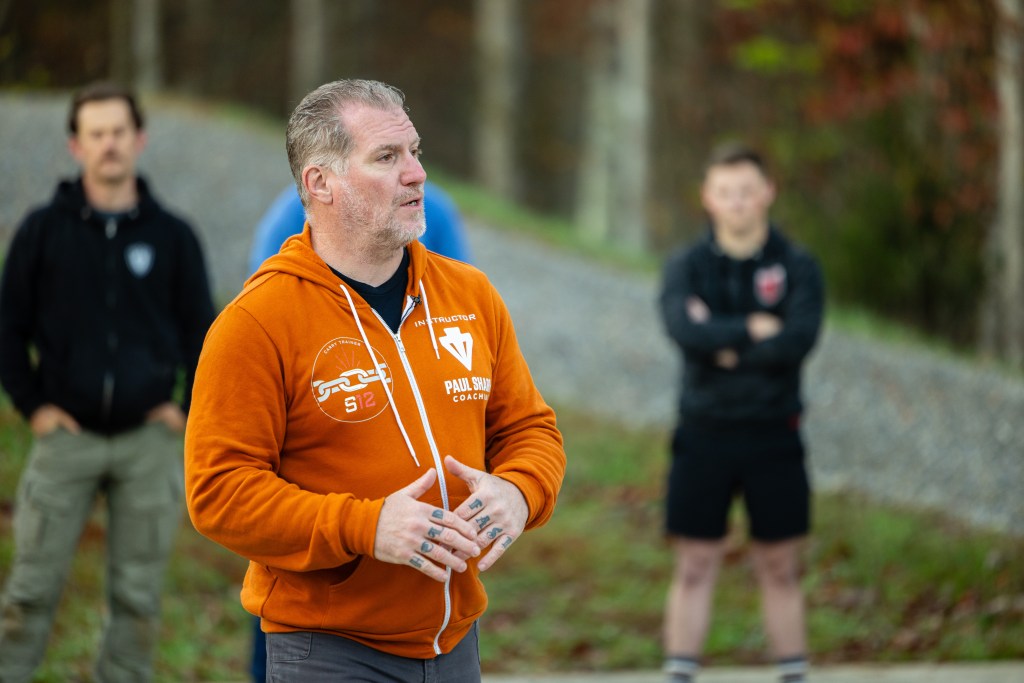
On that note, it’s clear you’re receiving instruction from a group of professionals committed to multidisciplinary study when almost all of the instructors not teaching a block on a subject could be. Zee Durham is a BJJ black belt, too, as well as a wrestling coach; Mickey Schuch has since been promoted to purple belt, and Rob Wilson is also a purple belt. Any of them would have been more than qualified to teach our cohort.
A handful of attendees had grappling experience, including a brown and black belt; however, as an open-enrollment class, most of my peers came to the event tabulae rasae. Unlike Shivworks ECQC, I think that S12 is the perfect place for non-martial artists to diversify. Come as you are, and you’ll certainly be able to hit the ground running should you decide to start training afterwards (which I strongly recommend you do).
Due to the aforementioned average experience, time constraints, and lack of mats, this block of instruction focused on clinched grappling and hand fighting. While participants remained standing (with the exception of a few spills due to excessive enthusiasm), I wouldn’t say we were wrestling, per se. Unfortunately, we simply didn’t have enough time to get into things like duck unders and arm drags.
My favorite part of this block was a three-person exercise meant to begin adding the complexity of a second attacker to the grappling equation. The objective was to win the fight for hooks and/or ties on your partner while the third person in the trio slowly circled with the goal of touching the ‘good guy’s’ back. This required the first party to split their attention between controlling a resisting opponent and monitoring their accomplice.
Even when we do a good enough job at paying attention to other partner pairs and mat boundaries, it can be easy to get tunnel vision when grappling in the gym. If you can find willing participants, I highly recommend recreating this drill for yourself as a periodic reminder of the circumstances in which you might need to use the skills you learn and practice one-on-one.
Bonus
In addition to the offerings of the main instructors, a brief presentation was also given Andrew Branca, author of The Law of Self-Defense. Much like omitting medical training or empty-handed skills, lacking knowledge of the legal process and appreciation for the gravity of The Fight After The Fight is an enormous gap in a self-defender’s preparations. Although S12’s packed schedule only left him a modicum of time to speak—not enough to explain all the complexities of a criminal prosecution and trial—I’m glad the topic was given the attention it received.
Branca shared a few noteworthy facts and tips. For example, since district attorneys have absolute prosecutorial discretion (meaning they pick which cases to press charges for) and have the burden of proof when a valid claim of self-defense is raised, a cut-and-dry shooting may be spared a trial if the DA thinks it would be a losing battle for them. This is because prosecutors choose to pursue cases where convictions are likely, for multiple reasons I won’t pretend to understand. Regardless, he said, it is common for a defendant to incur $200,000 in pre-trial expenses.
Possibly the most valuable nugget of advice he gave was not at the main lodge in his suit and tie, but on the range next to me on the line. When asked whether something like the training we were currently participating in could be used against us in court should we be forced to defend ourselves, Branca admitted it could. When the question is ‘can X be used against me in court?’, he went on, the answer is always yes. The more important questions are, ‘how detrimental to your case of self-defense would doing X (in this case, training) be?’ and ‘what’s the alternative?’ In other words, what’s the risk of not doing X?
Personally, I’d rather give my attorney the job of countering the claim that I’m a trained assassin than put them in the difficult situation of explaining how I, for instance, wasn’t grossly negligent for killing a bystander with a stray bullet, or how I was reasonable to shoot a man dead for punching me in the face even though I’m a strong, healthy young man.
Takeaways
Culture
S12 is truly an event for the modern renaissance man and woman. Although instructors can only lead attendees so far into the various areas of study in the time allotted, few other training experiences that I know of are built around the concept of integration. I do think that interdisciplinarity is becoming more common amongst both students and instructors, but the onus remains largely on the student to piece together the recommended KSAs—knowledge, skills, and abilities—in disparate classes and seminars. S12 is a unique exception.
Skill development aside, humans are social animals who need connection to thrive. Unless you have a sales position where you’re constantly meeting new people, most of us probably don’t have an opportunity to branch out from the groups that the gym and office constitute. I didn’t know how much I’d needed the laughter and sense of camaraderie I found over those four days, but I got both. Friendships with good people are priceless. I hope the ones I made at S12 last for many years to come.
“Iron sharpeneth iron, so a man sharpeneth the countenance of his friend.”—Proverbs 27:17 DRA.
I can’t stress enough the importance of surrounding yourself with likeminded people. Not only do the examples set by others help you hold yourself to a higher standard and stay accountable, but most of those people will also bend over backwards to help you directly without asking anything in return. Where you find your tribe matters.
Personal
Mindset was a topic that every instructor discussed to some degree over the course of the event. But one particular moment became something of an epiphany for me. After Andrew Branca’s brief presentation, Rob Wilson took the mic and shared an anecdote from his own life that hit a little too close to home. He’s since told the story in writing on his blog, where I encourage you to read it in full.
“Rage Against The Laundry Machine” by Rob Wilson, Check Engine Light on Substack
To summarize, Rob was checking an item off the ‘honey do’ list by washing some blankets for his wife at a local laundromat. As he removed one from the dryer and shook it out to fold, a pair of men’s underwear fell out. They weren’t his.
In that moment, he told us, rage boiled up inside him; he was swept up in a surge of turbulent emotions accompanied by a chemical cocktail that created an equally intense physiological response. From someone as stoic as Rob, it was a powerful confession.
“Emotions aren’t just ‘in your head’—they’re very real physical events happening in the body.”
Rob Wilson
Then, his rational brain chimed in to remind him that he was, in fact, in a place that is full of strangers’ clothing; wasn’t it possible the forgotten underwear belonged to one of the dozens of people who had used the same machine before him?
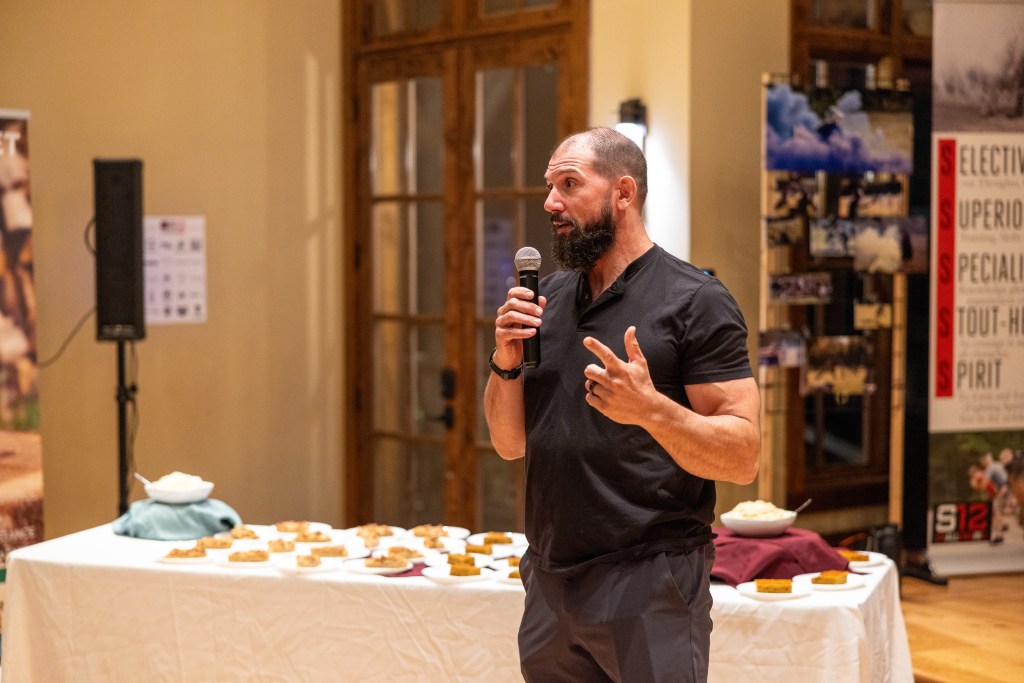
That, Rob said, is the lesson: he had reacted to a story that he had told to himself—one which had no basis in reality. The story had been his own creation.
It hit me that I’ve not only been choosing to react to things outside of my control, I’ve even been fabricating things to react to that aren’t even real!
That was a wakeup call. For most of my life I’ve known, on some level, how much energy I waste and how much needless pain I inflict on myself with fictions I invent, but have never really faced it. My gift of imagination sometimes…Okay, often…leads me to tell anxious stories about the future; my sensitivity and intensity lead me to start telling myself stories about other people, their intentions, and their feelings about me. As a result, I’ve often taken perfectly valid constructive criticisms too personally. I’ve even told stories to myself about myself—all negative—mostly out of neurotic habit.
I’ve been trying hard to be a well-rounded student of self-defense, but this was a reality check that none of that matters untiI get my mental and emotional shit together.
The Verdict
So, is S12 worth it? I personally think that depends on a few variables, including but not limited to your budget, professional and familial obligations, and current level and diversity of skill.
Before we can unpack that, though, it’s necessary to discuss the future of the event. S12 2025 is currently scheduled for October 2–5 and will be hosted in collaboration with Jeremy Zimmer of Middle Tennessee Firearms Training in Pulaski, TN; it will not be held at the Five Star Retreat as it was in 2024 and years prior.
This change of venue is the result of several factors, one of which is pending new ownership of the Retreat; understandably, it’s not a given that every landowner is going to be willing to sign off on a four-day marathon of gunfire and pyrotechnics. Even with buffer acreage, I suspect the neighbors won’t be sad to see the event go, either.
As a result, on-site lodging will no longer be included in the S12 package. Mickey has organized a more flexible solution by partnering with the local Giles Hotel—a clean, family-run inn in the quaint college town of Pulaski—where king and queen rooms will be available to attendees for $116.99 a night. Although students will have a 20-minute commute to the range, they’ll have access to a Walmart, grocery store, and a good variety of dining options. This is worth noting since the Five Star Retreat put civilization a little far away, meaning there wasn’t really time for a trip to town. Students will have a choice of normal, complementary hotel breakfast fare in the morning or fast food. Lunch and dinner are still included in the event price, and I would count on the same healthy offerings and an appearance from Colorado Craft Beef’s quality meats.
Because of all this, the tuition has been reduced to $1750. I’ll talk more about that shortly.
Skill
I don’t think S12 would have the same value for an EMT or ER nurse with their blue belt who’s classified A in USPSA as it does for a fledgling or intermediate self-defender. And that’s okay. Just know where you stand, know your goals and what you need to do to reach them, and think carefully about how to distribute your time and resources accordingly.
Logistics
Does the lower $1750 price tag change the cost-benefit analysis? Here’s the way I see it.
According to the event description, training will commence at 7:00 AM on Thursday morning and everything concludes with dinner and awards on Sunday night. This means that most people will have to arrive Wednesday evening and stay five nights for a total cost of $600+. That puts the price more or less back to the original $2495.
By way of comparison, for those of us lucky enough to have a range within an hour’s drive that hosts quality instructors, the cost of a 2-day pistol course typically runs from $850–950 including range fees, gas, and ammunition (tuition usually being $500–600, a case of 9mm going for $250 or slightly less, and the host’s cut being around $20 in cash per day). Double that to get the cost of four days of training. For classes that require an overnight stay, add another $300+.
Given the price of lodging and food, S12 is actually a bargain. Still, I don’t think it’s a stretch to say that more people will be able to pay $1000 or $1300 twice a year more readily than they will $2500 at once. Not everyone has that kind of money up front.
Additionally, while I think S12 is a great event to get beginners up to speed quickly, four days of instruction is a lot to take in and process. Some people might find that having an intermission of several months to reflect on and practice what they’ve learned helps them retain more.
A valid counterargument to that is one for immersion. There’s a reason people learning a second language are encouraged to study abroad or live in a country where that language is spoken: certain people need to eat, sleep, and breathe a subject without interference from any of life’s normal responsibilities and distractions to get into the right headspace for deep learning. And often, being in a different environment is a key component of that. When you physically remove yourself to a location where you have no choice but to do the thing, whatever that thing is, you free your mind to focus on the task at hand. Other than Mickey, not many other schools or instructors offer you a self-contained experience like that, except perhaps Gunsite’s 250 pistol class in Arizona. But even that isn’t all-inclusive.
Do I think the change of venue might detract from the immersion? Maybe. Ultimately, though, the quality of your learning experience is a product of your mindset.
Speaking of responsibilities, time is another consideration for students on the fence. If you work a traditional five-day work week, you’re committing to two days (plus one on either end for travel, depending on a person’s distance from the event) of potentially unpaid time off. If you’re self-employed or have an irregular schedule that includes weekends, you could be taking as many as six consecutive days off. For a lot of people, that’s simply not an option.
And, unless you come with your spouse and kids—which I think would be a great idea, for the record—that’s a lot of time away from family. Your current obligations to your spouse and children may permit that, or they may not.
If you’re still on the fence, I’d encourage you to check out these two reviews: one by Gary Eastridge and another by Reddit user Aziide (even though I think Reddit is generally an intellectual cesspool). From what they’ve written, it seems S12 2024 was structured similarly to years past, so their thoughts may help you to fill in the gaps enough to give you a fairly accurate idea of what the event’s really about.
Act fast, though, because S12 2025 is already halfway sold out.
What do you think about interdisciplinary training events like this? Are they less efficient than one- or two-day classes, or a model that more instructors should embrace? Feel free to opine in the comments.
 Fire Carrier Defense